
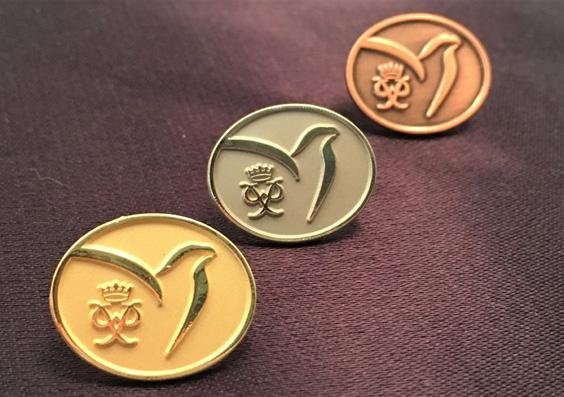
For decades, the Duke of Edinburgh Awards have helped young people across Australia develop confidence, resilience, leadership and practical life skills.
From adventurous journeys and volunteering to physical recreation and personal skill development, the program encourages participants to step outside their comfort zones and discover their full potential.
Whether completed through schools, youth organisations or outdoor education providers, the Award has become one of the most respected youth development frameworks in the world. More than 775,000 young Australians have participated since the program began in Australia in 1959, with over 30,000 young people registering each year. (gg.gov.au)
For students seeking personal growth, leadership opportunities and memorable outdoor experiences, programs like duke of edinburgh awards provide an excellent pathway to achieving meaningful goals while building lifelong skills.
Why the Duke of Edinburgh Awards Matter
Modern teenagers face increasing academic pressure, screen time and social challenges. The Duke of Edinburgh Awards offer a balanced approach to personal development by encouraging real-world experiences and hands-on learning.
Participants complete activities across several key sections:
- Volunteering within the community
- Developing practical or creative skills
- Participating in physical activities
- Completing adventurous journeys or expeditions
- Residential projects at Gold level
This structure helps students grow into capable, independent and community-minded individuals.
According to The Duke of Edinburgh’s International Award Australia, 93% of participants reported improved teamwork skills, while 91% described the experience as both fun and challenging. (dukeofed.com.au)
Building Confidence Through Outdoor Adventure
One of the most recognised aspects of the Duke of Edinburgh Awards is the adventurous journey component. These expeditions encourage young people to develop navigation, communication and survival skills while learning how to work effectively in teams.
Outdoor experiences provide benefits that classrooms alone cannot always deliver. Students often return from expeditions with stronger problem-solving abilities, greater resilience and increased confidence in their decision-making.
Activities may include:
- Hiking through national parks
- Camping and expedition planning
- Team navigation exercises
- Environmental awareness activities
- Leadership and communication tasks
Outdoor education providers throughout Australia play a vital role in supporting students during these experiences, helping ensure journeys are both safe and rewarding.
Volunteering Creates Community Leaders
Community service is another powerful component of the Award framework. Participants are encouraged to contribute their time and skills to causes they care about, helping build empathy and civic responsibility.
Volunteering opportunities may include:
- Assisting local charities
- Supporting environmental clean-ups
- Helping younger students
- Participating in community events
- Supporting aged care or disability programs
These experiences often inspire young people to remain active contributors within their communities long after completing the program.
Research from the broader DofE framework has shown participants collectively contribute millions of volunteer hours annually, creating substantial social value for local communities. (Outdoor Provision)
Developing Skills Beyond the Classroom
The Award also encourages participants to pursue hobbies and interests outside traditional academic settings. This flexibility allows students to personalise their experience while building valuable life skills.
Popular skill development activities include:
- Photography
- Cooking
- Music
- Public speaking
- Coding and technology
- First aid training
By focusing on consistent improvement over time, students learn discipline, commitment and goal setting — qualities highly valued by universities and employers.
The program’s emphasis on self-directed learning helps participants become more independent and adaptable in both personal and professional environments.
A Globally Recognised Achievement
The Duke of Edinburgh Awards are recognised internationally and delivered across more than 140 countries. (Wikipedia)
Completing Bronze, Silver or Gold levels demonstrates dedication, initiative and perseverance. Many universities and employers view participation favourably because it reflects a student’s willingness to challenge themselves and contribute positively to society.
In Australia alone, the Award is delivered through more than 1,200 centres, including schools, universities and community organisations. (Wikipedia)
This widespread recognition makes the Award an excellent addition to resumes, scholarship applications and tertiary education pathways.
Why Participation Continues to Grow
The popularity of the Duke of Edinburgh Awards continues to increase globally. Recent reports showed record participation levels, with hundreds of thousands of young people actively completing Award programs worldwide. (goodnewspost.co.uk)
Parents, educators and youth leaders increasingly recognise the value of experiences that encourage young people to disconnect from screens, engage with the outdoors and develop real-world capabilities.
The Award’s combination of adventure, service and personal growth provides a unique balance that remains highly relevant in today’s fast-changing world.
Final Thoughts
The Duke of Edinburgh Awards continue to shape confident, capable and community-focused young Australians. Through volunteering, outdoor adventure and personal development, participants gain valuable experiences that extend far beyond the program itself.
From building resilience and leadership to developing teamwork and independence, the Award creates opportunities for young people to challenge themselves in meaningful ways.
For students seeking growth, adventure and a globally respected achievement, the Duke of Edinburgh Awards remain one of Australia’s most valuable youth development programs.


